

Written to scattered churches across Asia Minor facing hostility and social pressure, Peter encourages steadfast faith and honourable conduct, closing with greetings from "she who is in Babylon," widely read as a coded reference to Rome.
Further context
2 min readPeter writes to God's elect, exiles scattered throughout Pontus, Galatia, Cappadocia, Asia and Bithynia, which is to say the whole northern half of Asia Minor, an area of several hundred thousand square kilometres.
Two of those provinces are ones Paul had been prevented from entering.
The recipients are described as exiles and strangers, and the language works on two levels: many of them may have been literal resident aliens without citizenship, and all of them are being told that their real status in the world is that of people passing through.
The pressure they are under is social rather than legal. There is no mention of imperial edicts or courts. What is described is abuse from neighbours: they are surprised that you do not join them in their reckless, wild living, and they heap abuse on you. Believers are being maligned, treated as evildoers and made to suffer for the name.
The instructions in response are consistent. Live such good lives among the pagans that, though they accuse you of doing wrong, they may see your good deeds and glorify God. Always be prepared to give an answer to everyone who asks you to give the reason for the hope that you have. But do this with gentleness and respect.
Submit yourselves for the Lord's sake to every human authority, whether to the emperor, as the supreme authority, or to governors. That instruction was written under Nero, and the man writing it was killed by him, on the traditional account, within a few years.
The letter contains the most sustained treatment of suffering in the New Testament, and it keeps returning to the same reference point: Christ suffered for you, leaving you an example. When they hurled their insults at him, he did not retaliate.
Two remarks have puzzled readers for centuries, one about Christ preaching to the spirits in prison and one about the gospel being preached to those who are now dead, and the explanations offered have never converged.
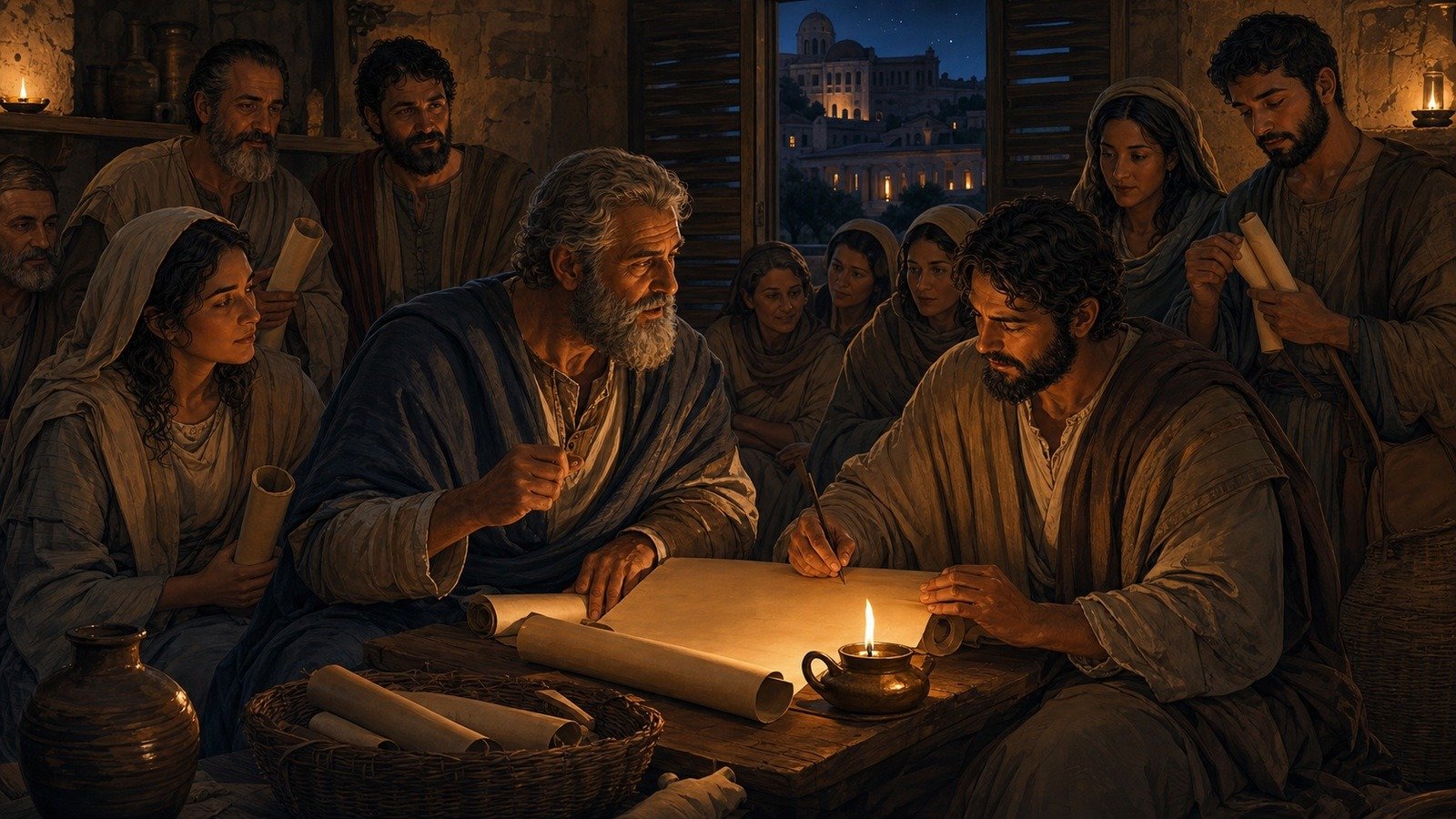
He closes with greetings from she who is in Babylon, chosen together with you, which is generally read as the church at Rome, Babylon being the standard code word for it. Silas and Mark are both mentioned, and Silas is named as the man through whom the letter was written.
Silas and Mark being together in the same closing greeting is worth registering. Silas travelled with Paul after the quarrel over Mark, and Mark is the man the quarrel was about. Both are now with Peter.
Babylon as a name for Rome appears in Jewish writing of the period as well, and the reason is straightforward: Babylon was the empire that had destroyed the first temple, and Rome had destroyed the second.
Peter tells slaves to submit to harsh masters as well as considerate ones, and offers no justification of the institution and no comfort about it beyond the example of someone who suffered unjustly.
The letter opens by calling its readers chosen, and then immediately calls them exiles, and holding those two words together is what the whole document is trying to teach.